Prior to the time that anyone could set a Megalodon tooth on a desk, snap it, or examine its serrated edge, the tooth was actually doing something else, and it was not peaceful. It was among the largest predatory sharks that have ever existed in our oceans. The tooth was then lost. That’s it for the majority of items. For fossils this could be the beginning.
The fossils available from Fossil Driven have gone through an evolutionary process that is not measured in centuries or decades, instead in the millions of years. Understanding that journey changes the perception of viewing fossils. It’s no longer just looking at an interesting object. You are seeing the physical evidence of an ancient world.
The First Stop: An Ancient Ocean
Megalodon’s teeth are from West Java in Indonesia. At the time of 20 million years ago warmer marine habitats were prevalent in the dry regions that are now. Megalodons as well as other marine creatures resided in these waters along with Megalodons.
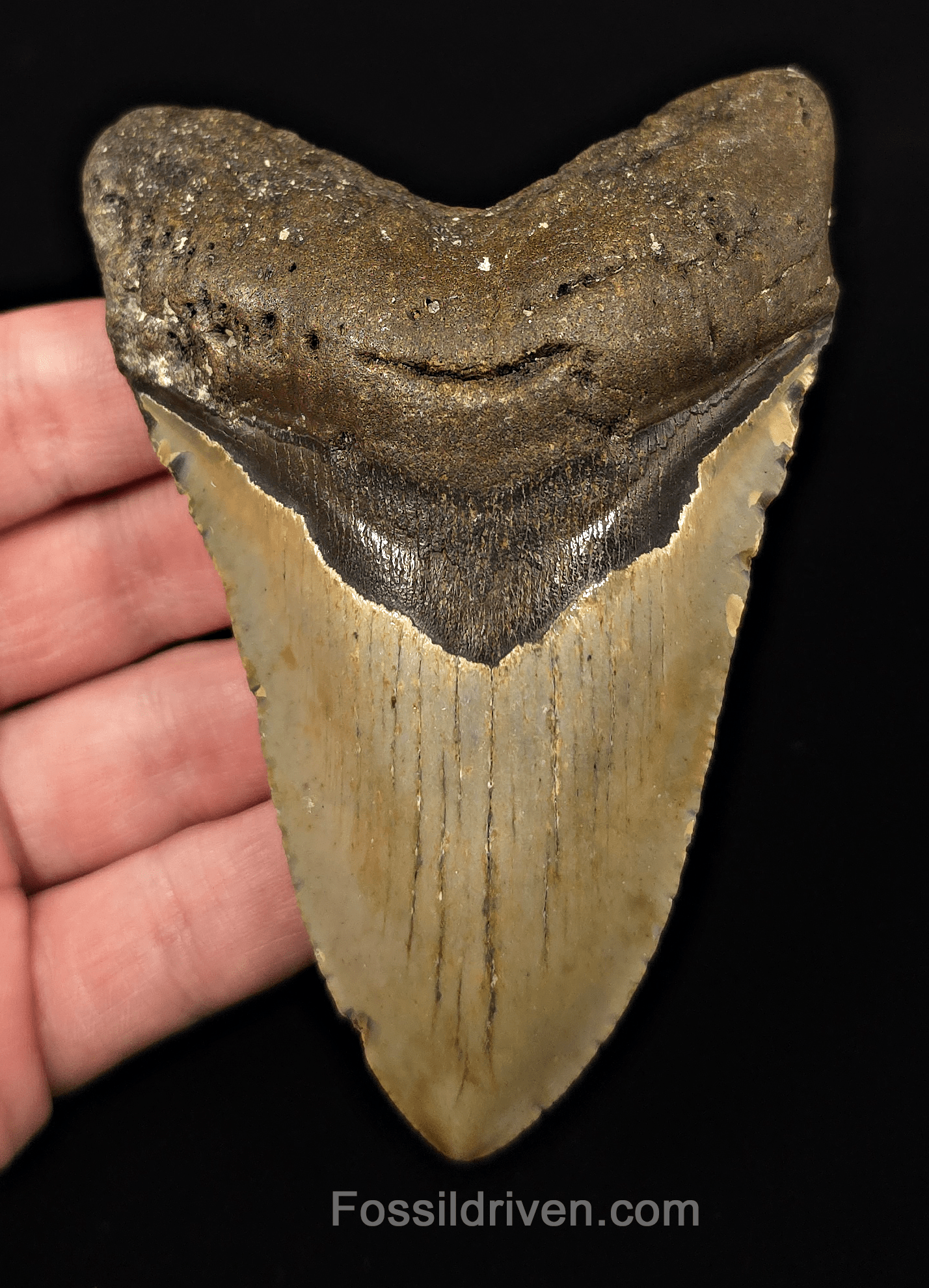
Image credit: fossildriven.com
Megalodon also produced and shed teeth in a manner similar to modern sharks. Some of those teeth subsequently settled into marine sediments. If conditions are right burial can protect them long enough for their fossilization.
Then, Geology took over
The following chapter unfolded extremely slowly. Sediments accumulated. Minerals react with the buried material. Geological forces changed the landscape, and submerged environments eventually became part our country. Those processes help explain something shoppers immediately notice when looking at megalodon teeth for sale: genuine fossil teeth can have dramatically different colors.
Indonesian specimens found in the West Java’s Miocene Bentang Formation can be seen in a variety of shades, including gold or tan as well as brown, red, and blue. They may also exhibit several shades in one tooth. The surrounding mineral environment contributes to the appearance a specimen acquires over its lengthy burial. It is not possible to create the final product in large quantities using natural methods. Each fossil has its own geological past.
Discovery Starts a New Chapter
In the end, a fossil that has been hidden for decades is finally discovered. The identification and documentation of the fossil are now crucial.
When collectors of megalodons examine authentic teeth available for sale, their focus is not just on the appearance. Information about locality geochemical age, preservation, repairs, and restoration will help them understand the reasons why they’re considering.
Natural wear doesn’t take away a fossil’s past. A worn-out tip, a sloppy tooth, or even a missing serration may be just a small part of the process that happened to this specimen prior to burial and afterwards. Most important is to portray the specimen accurately.
Fossil Driven’s experience with fossil identification goes back more than 13 years. We have established relationships with fossil hunters and suppliers. The fossils are examined and described with pertinent details whenever possible.
The Fossil will reach out to touch someone’s hands.
Folks purchase real Fossils for a variety of reasons. Certain people have a classed collection. Certain people prefer one striking piece to spark discussion. Children who are fascinated by prehistoric animals could receive their first fossil which sparks a lifelong passion for paleontology.
Megalodon’s tooth is just one way to enter that world. Trilobites, Dinosaur molars and ammonites are just a few of the many fossils that relive Earth’s old past.
The Best Part Is Knowing It’s real
A replica is able to replicate the shape and size of teeth that was found in prehistory. It’s impossible to reproduce the history. The Megalodon teeth were found in ancient animals that lived in an entirely different environment as we do today. They adapted to changes in the geology as well as being buried for millions of years, and then discovered.
This is why authenticity is important. You are holding a fossil that has made a nearly unimaginable trip through the ages. The latest stop of the fossil is in the display case.